For many people it’s not easy to make the decision to start seeing a therapist. Our culture and society tell us that we should be able to handle life on our own and not ask for help. At Healing Sounds Music Therapy, I understand that it’s difficult to reach out for assistance.
The truth is that there is no shame or weakness in seeking out help when there is a problem. We take our car to a mechanic and our taxes to an accountant– our mental health should be no different.
I’ve tried to make it easier to ask for help by creating a warm and comfortable office space in which to receive therapy. Clients can access me by phone, email, or text message. My client caseload is purposefully kept small so I can guarantee that each person receives the individual care they need. My schedule is flexible to accommodate early morning as well as evening appointments. Phone consultations are always free of charge.
 Services





Recent Posts

When Summer Fades: Music Therapy and Seasonal Depression
There’s something about the transition from summer to fall that can leave us feeling a little… off. The days get shorter, the mornings get darker– and suddenly, leaving the house after 5 p.m. feels like a logistical challenge. The carefree days of summer give way to packed schedules, cooler temperatures, and the realization that the […]

What Your Playlist Says About You
Have you ever heard a song you haven’t listened to in years and suddenly found yourself transported back to a completely different time in your life? Maybe you’re 15 again, sitting in your bedroom with headphones on. Or maybe you’re remembering your first love, a road trip with friends, your wedding day, a difficult breakup, […]

5 Music Therapy Myths
When I tell people I’m a board-certified music therapist, I often get one of two reactions: curiosity or confusion. Many people have heard of music therapy, but they’re not quite sure what it is. Or they have an idea that doesn’t quite match reality. Unfortunately, these misconceptions can keep people from trying a therapy that […]
Events
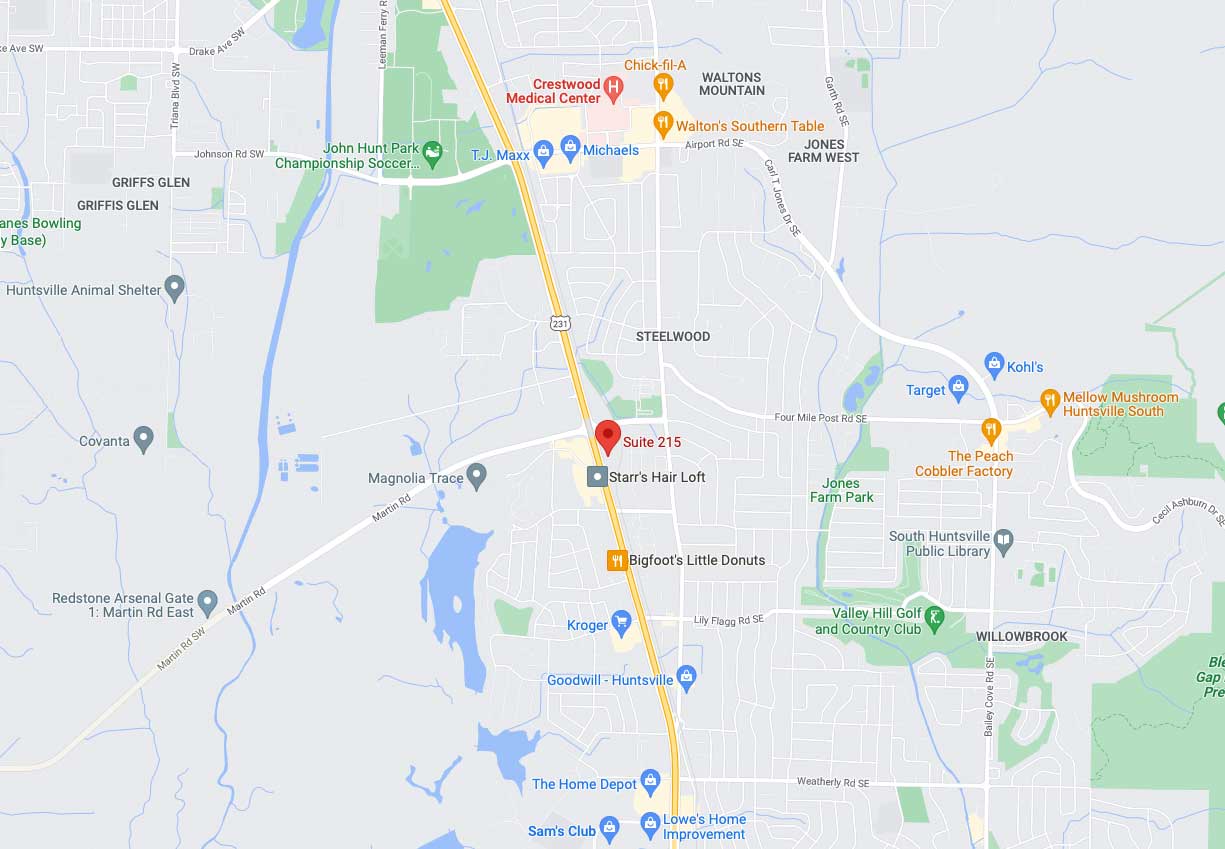
Office Location
7501 Memorial Parkway SW
Suite 215
Huntsville, AL 35802